


PTSD Treatment in Avondale and Phoenix
Therapy for post-traumatic stress that starts with safety and coping, and works through what happened at a pace that fits. In person or by telehealth, in English and Spanish.
When a Traumatic Event Doesn't Stay in the Past
PTSD can develop after a traumatic event, when unwanted memories, avoidance, watchfulness, or difficult mood and sleep continue to interfere with daily life. Therapy can help build present-day safety and coping, reduce avoidance, and work through traumatic memories at a pace that fits.
Many people have strong reactions after a frightening or life-threatening experience, such as a car accident, an assault, violence, a disaster, or the sudden death of someone close in an accident or an act of violence. For many, those reactions ease with time. When they don't, or when they start to shape how you live, talking with a therapist can help.

Signs Worth Paying Attention To
Only a qualified professional can say whether it's PTSD, but these experiences are common:
- Memories, flashbacks or nightmares that feel hard to control
- Avoiding places, people or conversations that bring it back
- Feeling on guard, jumpy or easily startled
- Irritability, poor sleep or trouble concentrating
- Guilt, shame, or feeling cut off from others
What Treatment May Include
Treatment is shaped around you. It often begins with safety and coping, and moves toward working through memories when you're ready. It may include:
- Learning how trauma affects the body and mind
- Grounding and coping skills for hard moments
- Gradually facing avoided reminders, with support
- Working through traumatic memories and the beliefs tied to them
- Rebuilding routines, relationships and a sense of safety
Approaches We May Use
Depending on your needs and your clinician's training, PTSD care may draw on approaches like these. Which ones fit is talked through during intake.
Ready When You Are
Tell us what you're looking for, and our team will help you find the next step.
Therapists Who Work With Trauma
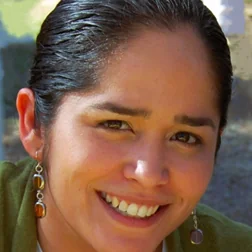 Cristina PasosLAC, TherapistHabla españolApproaches: TF-CBT, DBT
 Osbely PanduroMA, Bilingual TherapistHabla español
- April MunozMA, Bilingual TherapistHabla españolApproaches: TF-CBT, DBT
- Monica CanezMSW, TherapistHabla españolApproaches: TF-CBT, DBT
- Dora Gallardo RomoMA, TherapistHabla españolApproaches: TF-CBT, DBT
If You Need Help Now
If you are in crisis, call or text 988 any time, day or night. For Spanish, call 988 and press 2, or text AYUDA to 988. In an emergency, call 911.
Where We Meet
In person at our Avondale or Phoenix office, or by telehealth from home, in English or Spanish.

FAQs
Can therapy help after a car accident or another frightening event?
Yes. Therapy can help after many kinds of frightening experiences, including car accidents, assaults, violence and disasters, whether it happened recently or years ago.
How long does PTSD treatment take?
It varies. The length of care depends on your goals, what you've been through and how things change along the way. Your clinician will review progress with you regularly.
Do I need a diagnosis before I reach out?
No. Tell us what's been going on, and our team will help you find the next step.
Can crime victim compensation help pay for counseling?
It may. We accept Arizona crime victim compensation. The victim compensation program in the county where the crime happened decides who qualifies, and can tell you what it covers.
Do you offer telehealth?
Yes. You can meet in person at our Avondale or Phoenix office, or by telehealth from anywhere in Arizona.
How do I schedule an appointment?
Request an appointment online from our Get Started page, or call us at (623) 439-7472.